Showing posts with label first impressions. Show all posts

Thursday, October 21, 2021

Improve or Move??


The Big Question: Should You Renovate or Move?

The Big Question: Should You Renovate or Move? | MyKCM

We have all spent a lot more time sitting around our homes in the last 18 months and not surprisingly, this has changed what many people think about their homes and how they function. Recently, the American Institute of Architects released their AIA Home Design Trends Survey results for Q3 2021. The survey reveals the following:

  • 70% of respondents want more outdoor living space
  • 69% of respondents want a home office (48% wanted multiple offices)
  • 46% of respondents want a multi-function room/flexible space
  • 42% of respondents want an au pair/in-law suite
  • 39% of respondents want an exercise room/yoga space

If you’re a homeowner who wants to add any of the above, you have two options: renovate your current house or buy a home that already has the spaces you desire. The decision you make could be determined by factors like:

  1. A possible desire to relocate
  2. The difference in the cost of a renovation versus a purchase
  3. Wondering if you'll get out what you put in to a renovation
  4. Finding an existing home that has exactly what you want (versus trying to restructure the layout of your current house)

In any case, you’ll need access to capital: the funds for the renovation or the down payment your next home would require. The great news is that the money you need probably already exists in your current home in the form of equity.

Home Equity Is Skyrocketing

The record-setting increases in home prices over the last two years dramatically improved homeowners’ equity. The graph below uses data from CoreLogic to show the average home equity gain in the first quarter of the last nine years:The Big Question: Should You Renovate or Move? | MyKCMOdeta Kushi, Deputy Chief Economist at First American, quantifies the amount of equity homeowners gained recently:

“Remember U.S. households own nearly $35 trillion in owner-occupied real estate, just over $11 trillion in debt, and the remaining ~$24 trillion in equity. In inflation adjusted terms, homeowners in Q2 had an average of $280,000 in equity- a historic high.”

As a homeowner, the money you need to purchase the perfect home or renovate your current house may be right at your fingertips. However, waiting to make your decision may increase the cost of tapping that equity.

If you decide to renovate, you’ll need to refinance (or take out an equity loan) to access the equity. If you decide to move instead and use your equity as a down payment, you’ll still need to mortgage the remaining difference between the down payment and the cost of your next home.

Mortgage rates are forecast to increase over the next year. Waiting to leverage your equity will probably mean you’ll pay more to do so. According to the latest data from the Federal Housing Finance Agency (FHFA), almost 57% of current mortgage holders have a mortgage rate of 4% or below. If you’re one of those homeowners, you can keep your mortgage rate under 4% by doing it now. If you’re one of the 43% of homeowners with a mortgage rate over 4%, you may be able to do a cash-out refinance or buy a more expensive home without significantly increasing your monthly payment.

First Step: Determine the Amount of Equity in Your Home

If you’re ready to either redesign your current house or find an existing or newly constructed home that has everything you want, the first thing you need to do is determine how much equity you have in your current home. To do that, you’ll need two things:

  1. The current mortgage balance on your home
  2. The current value of your home

You can probably find the mortgage balance on your monthly mortgage statement. To find the current market value of your house, you can pay several hundreds of dollars for an appraisal, or you can contact a local real estate professional who will be able to present to you, at no charge, a professional equity assessment report.

Bottom Line

If the past 18 months have refocused your thoughts on what you want from your house, now may be the time to either renovate or make a move to the perfect home.

Thursday, October 7, 2021

For Sale By Owner, and Discount Services


Don’t Tackle Selling Your Home on Your Own – an Agent Can Help

Don’t Tackle Selling Your Home on Your Own - an Agent Can Help | MyKCM

For Sale By Owner and Discount Services are, on the surface, two separate topics, but the reasons for avoiding these options when you sell your home are largely the same. This week, Inman published an article that touched on a few things out there that are hurting the Real Estate profession and one in particular struck me, and that is the concept of the "marginal agent". I am not sure if he coined the term, but in this article, Kalama Kim, a senior vice president of Hawaii-based Coldwell Banker Pacific Properties discussed this concept of the "marginal agent" - referring to agents who don't give quality service and who therefore bring down the reputation of other agents and lower our perceived value.

If you’re looking to maximize your sale and minimize your effort, you need to work with a real estate professional. In a sellers’ market like today’s, it can be tempting to list your house on your own – known as For Sale By Owner (FSBO). But the truth is, a real estate professional can save you time and money by managing every step of the process, from pricing your home to reviewing documents and handling negotiations. Even if you go with a discount agent, you are knowingly, or unknowingly giving up the benefits of having a quality agent represent you in one of your most important transactions. (and if you don't think that discount broker is skimping on services that could end up costing you more than your discount is "saving" you, make sure you read the fine print)

Before you decide to sell your house on your own, here are five reasons why working with a full-service agent is your best bet to maximize the sale of your home.

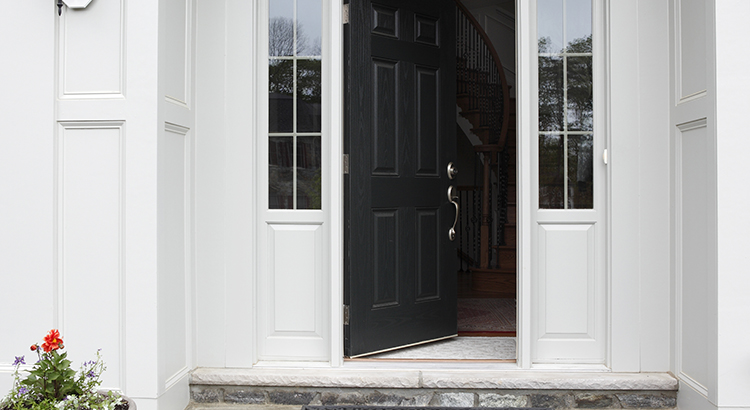
1. First impressions are everything – and an agent knows how to make a great one.

Prepping a house for sale requires a significant amount of time and effort, even though it may seem simple at first glance. Doing it right so it stands out takes expertise and an understanding of what buyers are looking for. An agent considers things like:

  • Should you take down any personal art or pictures?
  • How much landscaping should you invest in to boost your house’s curb appeal?
  • What wall colors are most appealing to buyers?

An expert real estate advisor relies on their experience to answer these questions and more so you don’t invest in the wrong things. Your time and money are important – you shouldn’t waste either.

2. Agents have tools to maximize the number of views your home gets.

Put plainly, the more buyers that view your house, the better your return will be. In our current market, homes are receiving 3.8 offers on average per sale, according to recent data from the National Association of Realtors (NAR). While that’s promising for the sale of your home, it’s important to understand your agent’s role in bringing buyers in.

Agents have multiple tools at their disposal – from social media to agency resources – to ensure your home is viewed by more prospective buyers. Leveraging the tools available to your agent and your agent’s expertise may help boost your sale price as well.

3. An agent won’t miss anything in the fine print.

Your agent can also save you time by taking any guesswork out of navigating the required documentation. Today, more disclosures and regulations are mandatory, meaning the number of legal documents you need to juggle is growing. Why would you want to trust all of that to the agent who represents the other side?

Because there’s so much to take care of, it can be hard to truly understand all of the requirements and the fine print. That’s where an expert advisor can truly shine. They’ve been through the process before and can be your guide to avoid any costly missteps.

4. Expert advisors know the market and how to price your home.

 Another way your agent maximizes the sale of your home is by making sure it’s priced right. You can get a Free Internet Estimate on your home's value, but only use that information as one of multiple sources of data. Until that real estate app develops the ability to walk inside your home (and all the properties it's comparing you to), these programs use algorithms that are not completely accurate and can really mess with seller expectations. Real estate professionals have the experience to compare your house to recently sold homes in your area. They also understand the market at large and can factor in any upgrades you’ve completed to your home. Combining these factors is the key to making sure your home is priced to move quickly – and at a competitive price. 

When you FSBO, you’re operating without this expertise. Even with your own research, you may not find the most up-to-date information and could risk setting a price that’s inaccurate or unrealistic. That neighbor who sold their home 3 months ago negotiated their contract 4 or 5 months ago. Their experience could be very different from the one you find yourself in when you decide to sell. The market changes month to month, season to season. If you price your house too high, you could turn buyers away before they’re even in the front door. This could also cause problems when it’s time for the appraisal.

5. Your agent will be an expert negotiator.

In addition to their experience navigating sales, real estate professionals understand how to negotiate every aspect of a deal. They also know all the parties that will be involved with the sale, including:

  • The buyer, who wants the best deal possible.
  • The buyer’s agent, who will use their expertise to advocate for the buyer.
  • The inspection company, which works for the buyer and will almost always find concerns with the house.
  • The appraiser, who assesses the property’s value to protect the lender.

An agent relies on their experience and training to make the right moves during the negotiation. They’ll know what levers to pull, how to address each individual’s concerns, and when you may want to get a second opinion. Selling your house as a FSBO means you’ll need to be prepared to have these conversations on your own. Buying and selling a home can be a very stressful process and emotions can run high on both sides. It can be invaluable to have that representative who can take on the headaches for you, see things from the outside looking in, and can protect you from costly mistakes.

Bottom Line

Selling a house takes time, effort, and expertise – don't go at it alone. Let’s connect to make sure you have an expert on your side to make the most of your sale

Why I Still Think You Should Buy That House, Even Now.

  Invest in Yourself by Owning a Home Are you wondering if it makes sense to buy a home right now? While today’s mortgage rates might seem a...